Countertop Blog

Buying tips, design trends, and expert advice on granite, quartz, quartzite, and marble — from the United Granite NC team.

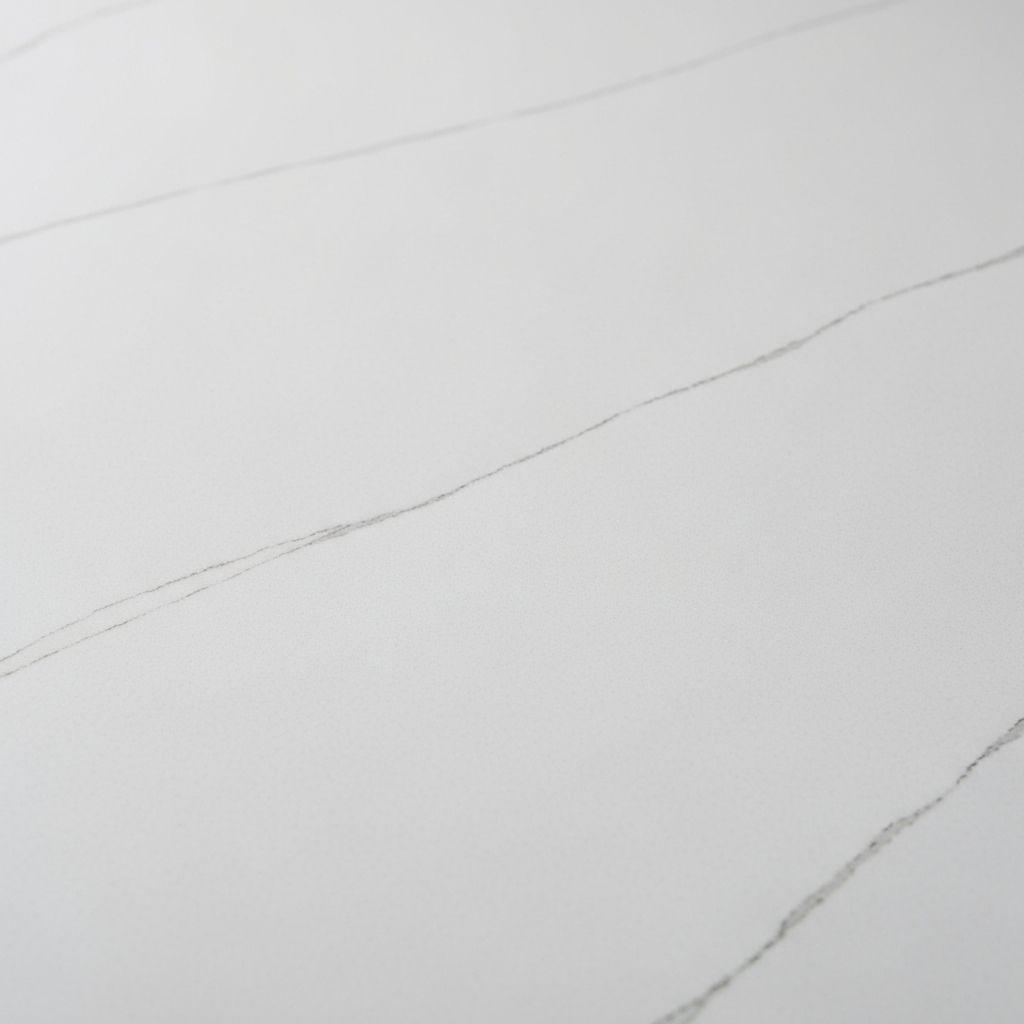
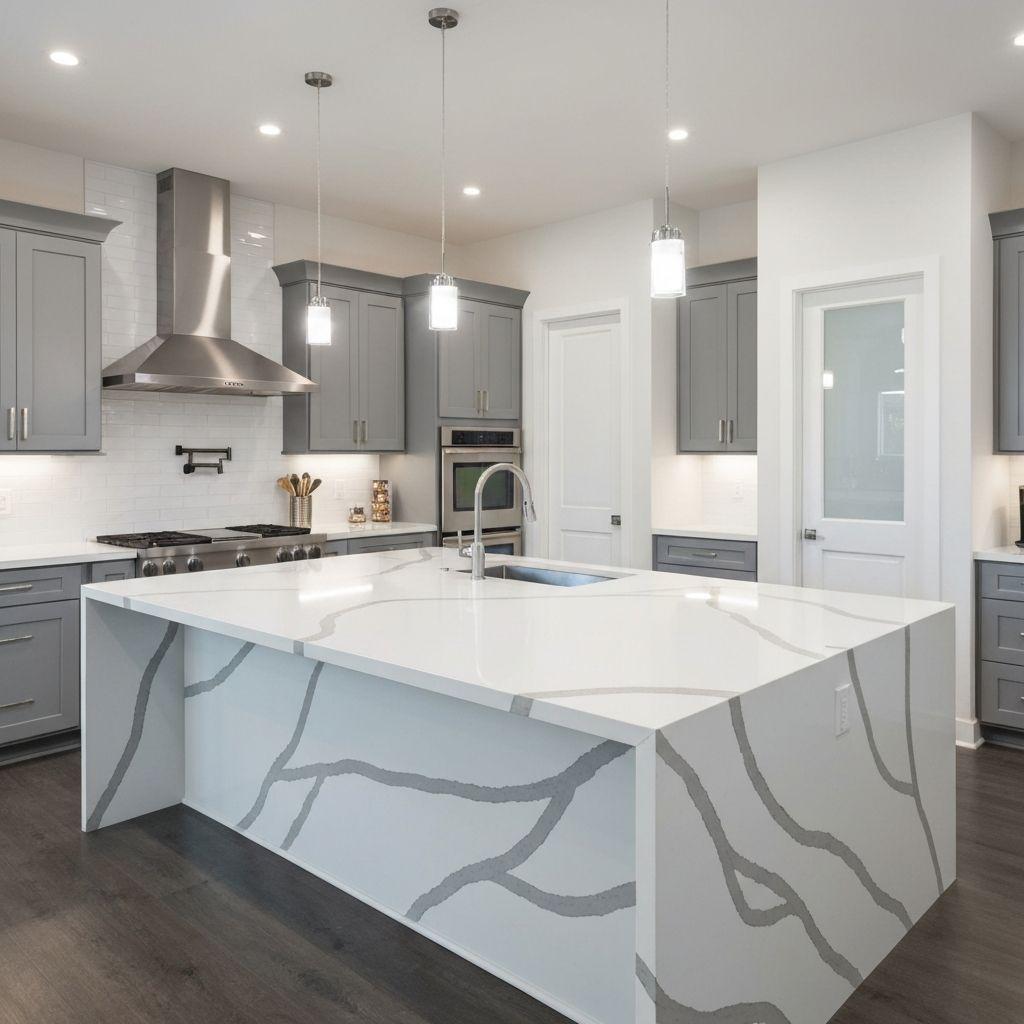
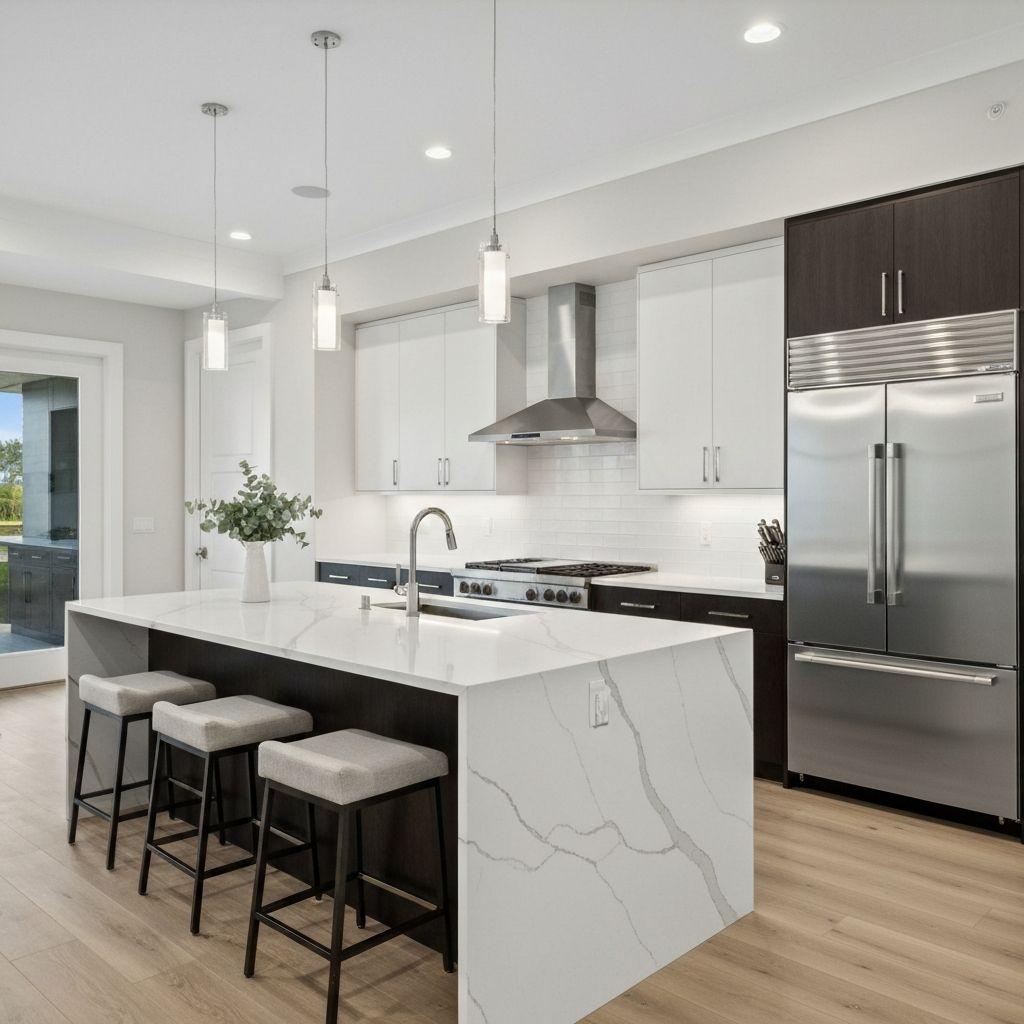
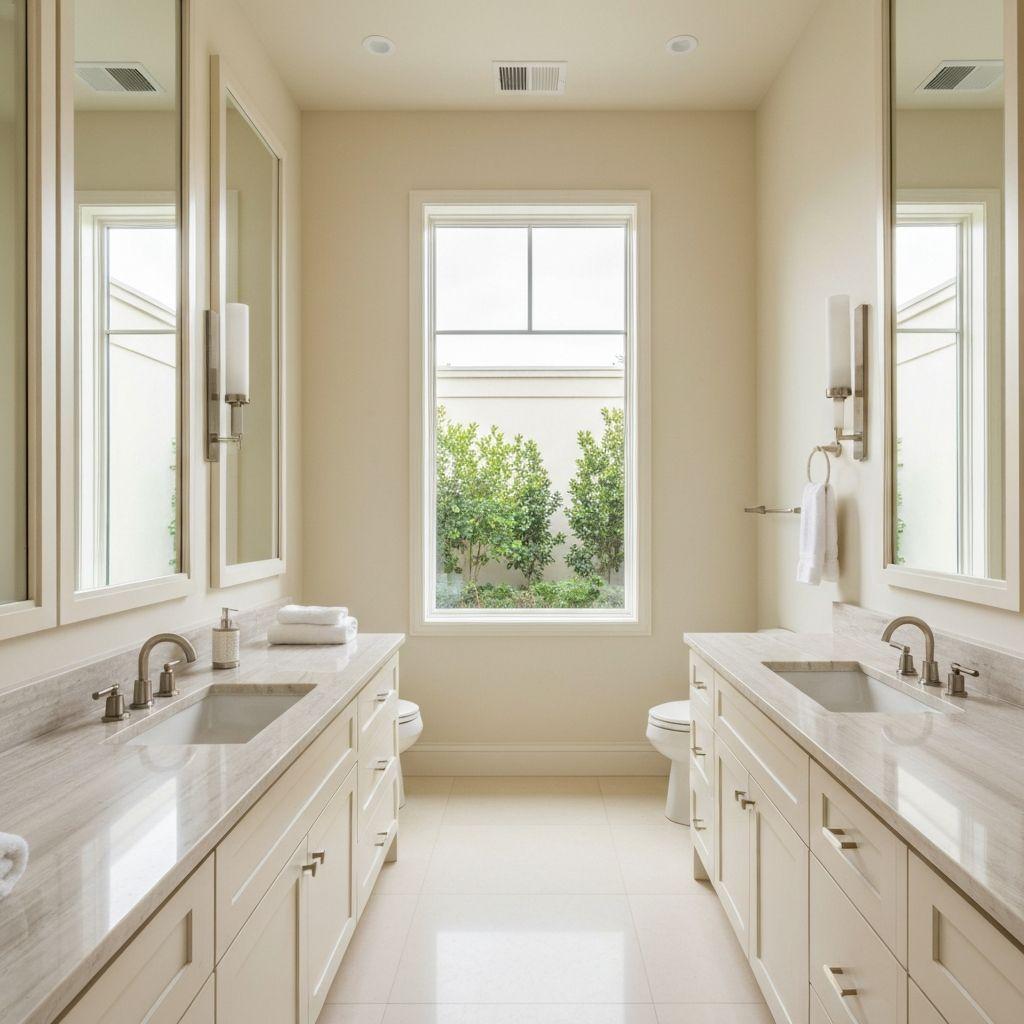
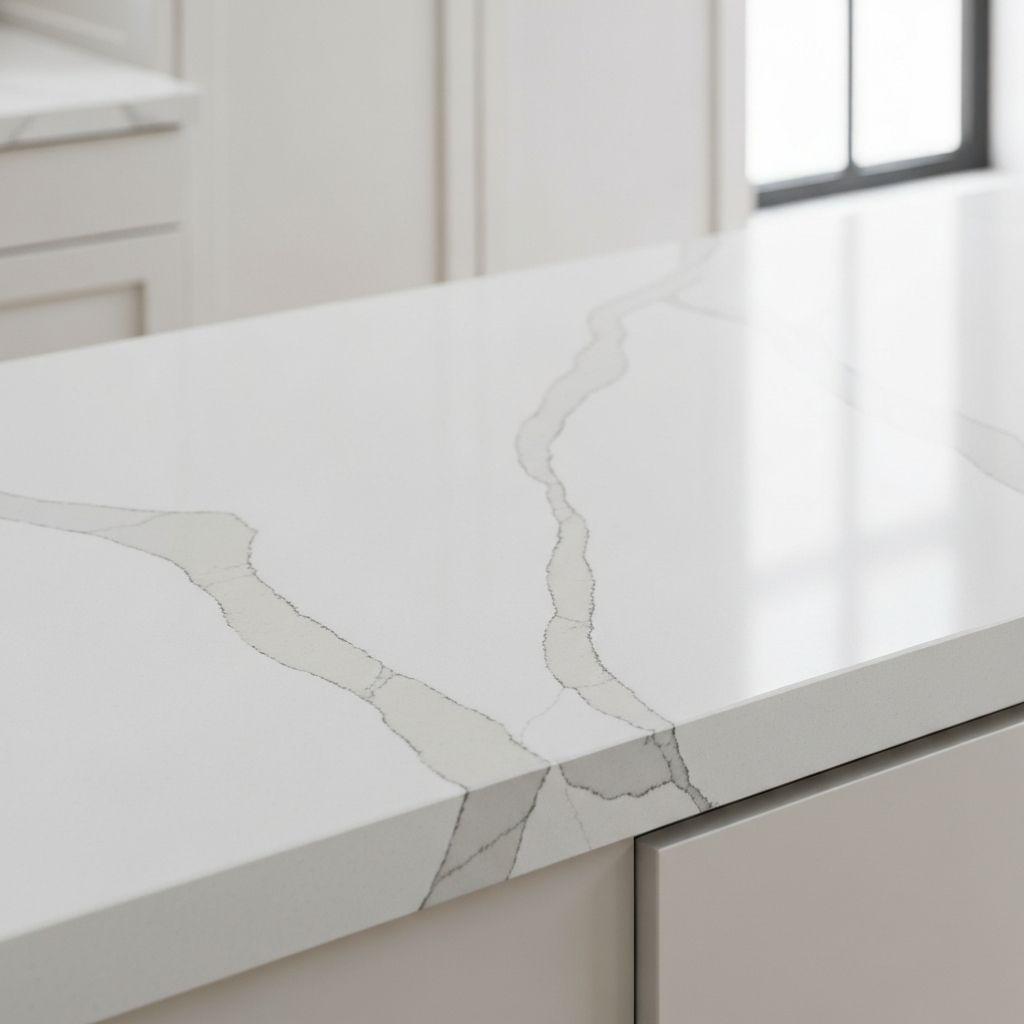
White quartz surface with gray veining
Buying GuidesNovember 17, 20268 min read

How to Plan Seams on Granite and Quartz Countertops

Almost every mid-size or larger kitchen in granite or quartz will have at least one seam. A seam is the joint where two cut pieces of slab meet, and it is a normal part of a real countertop, not a defect. Place that joint where the cabinets can support it and where you can live with a visible line. Approve the seam plan on the actual slab at the United Granite LLC Durham showroom before the stone is cut.

Read Article
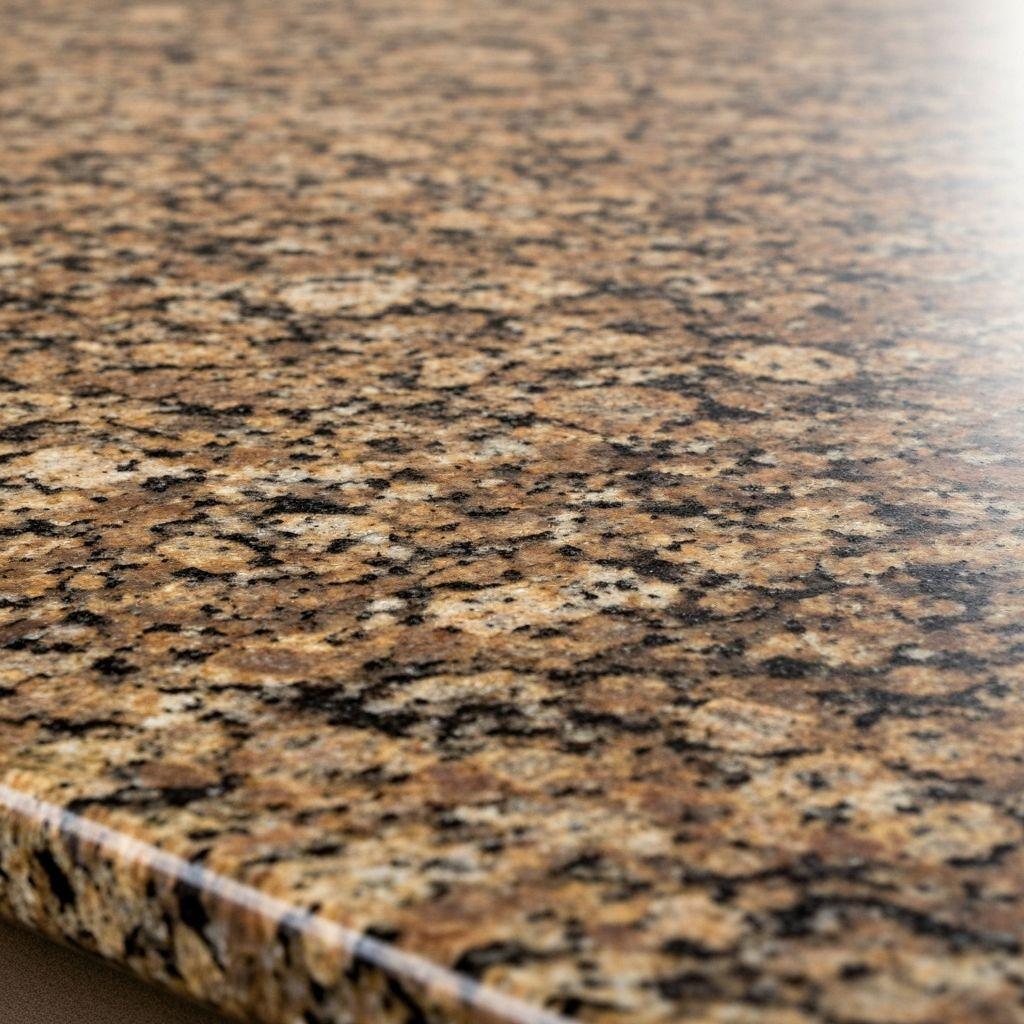
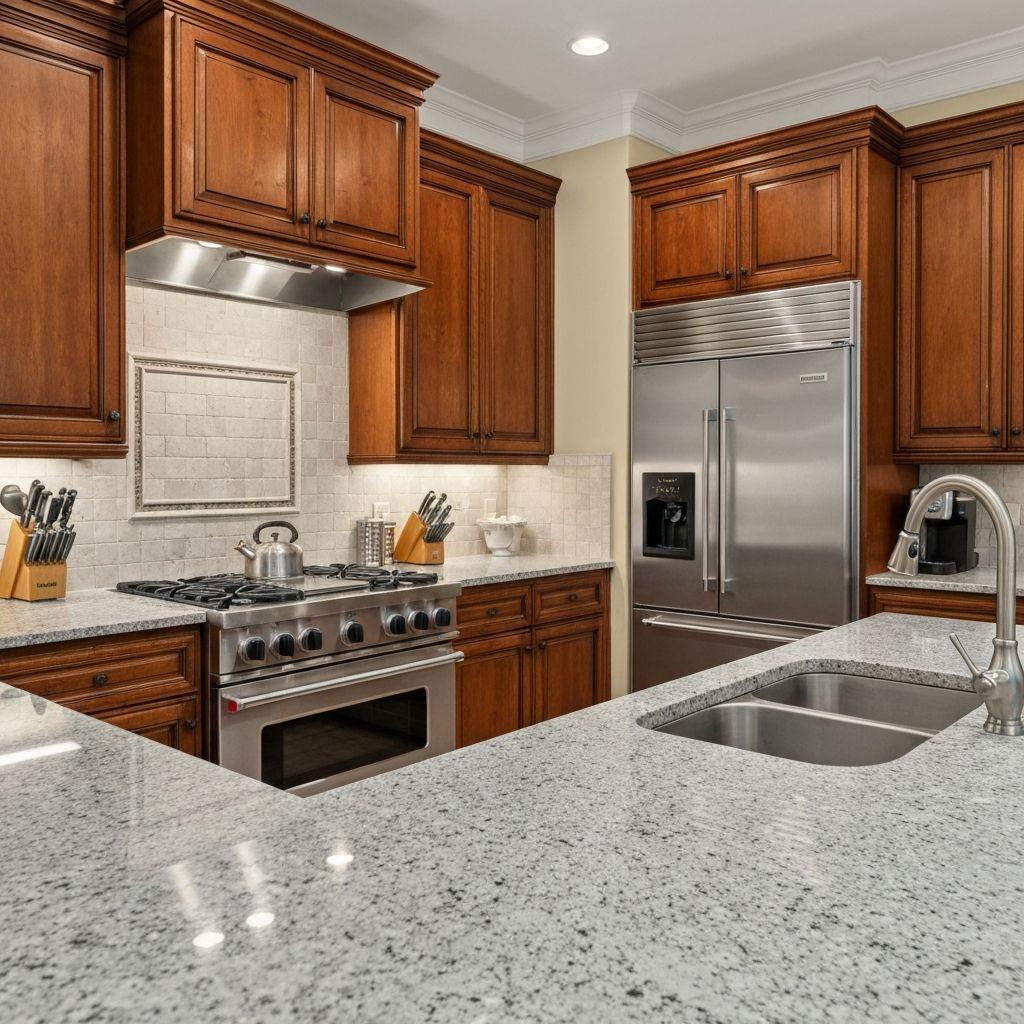
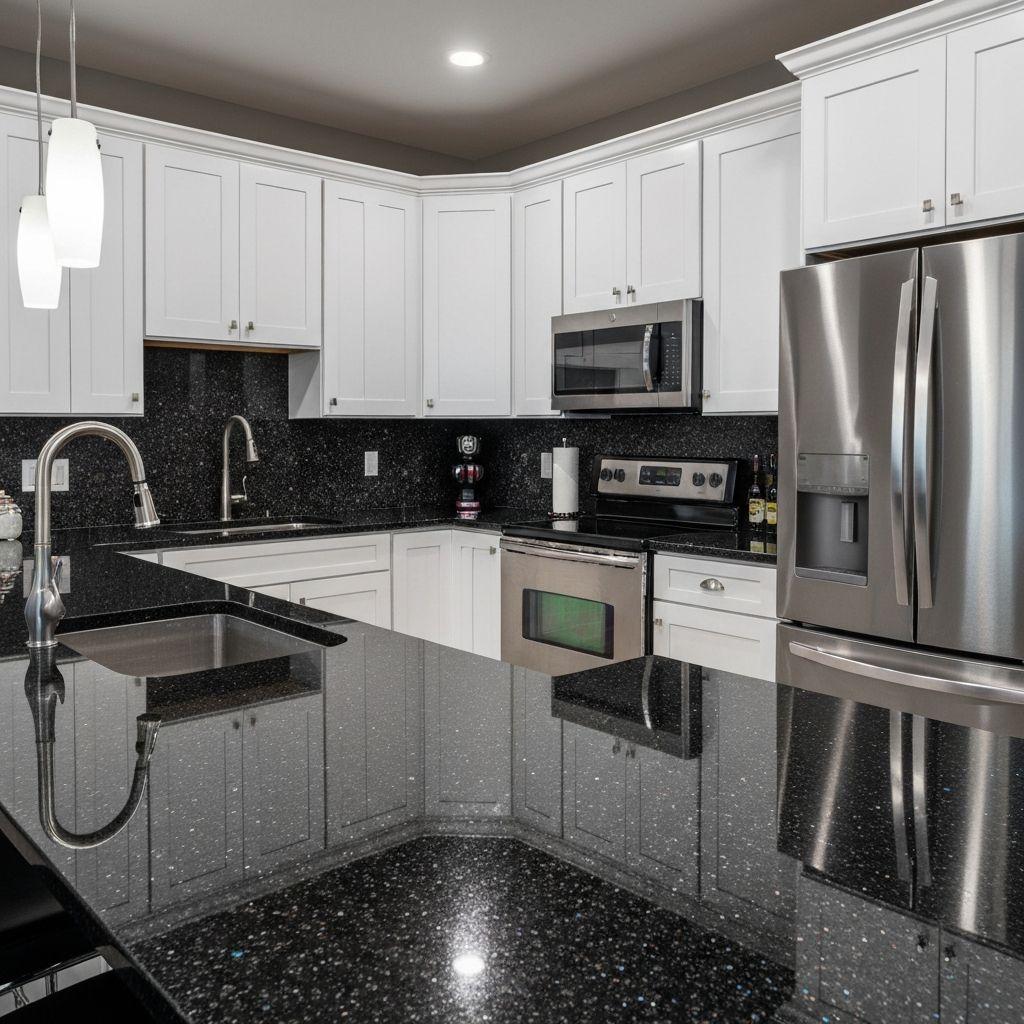
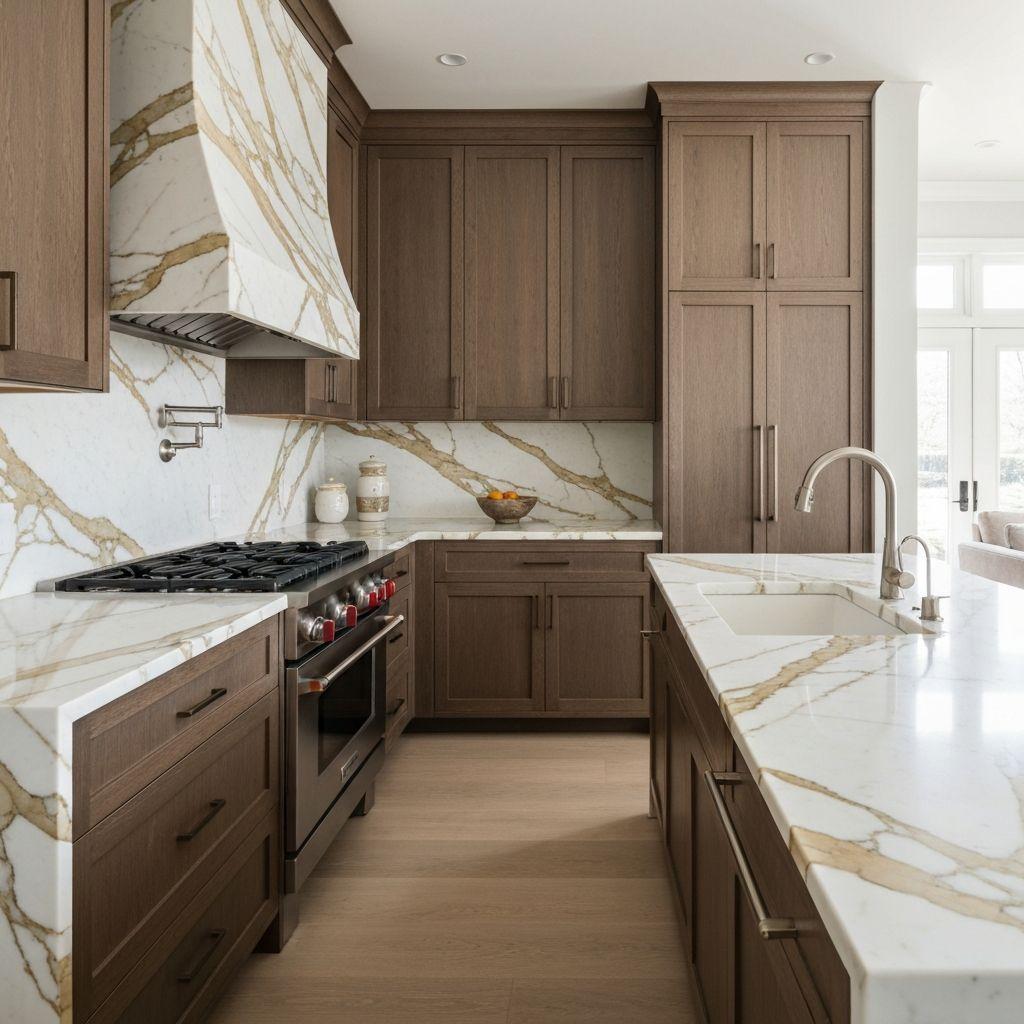
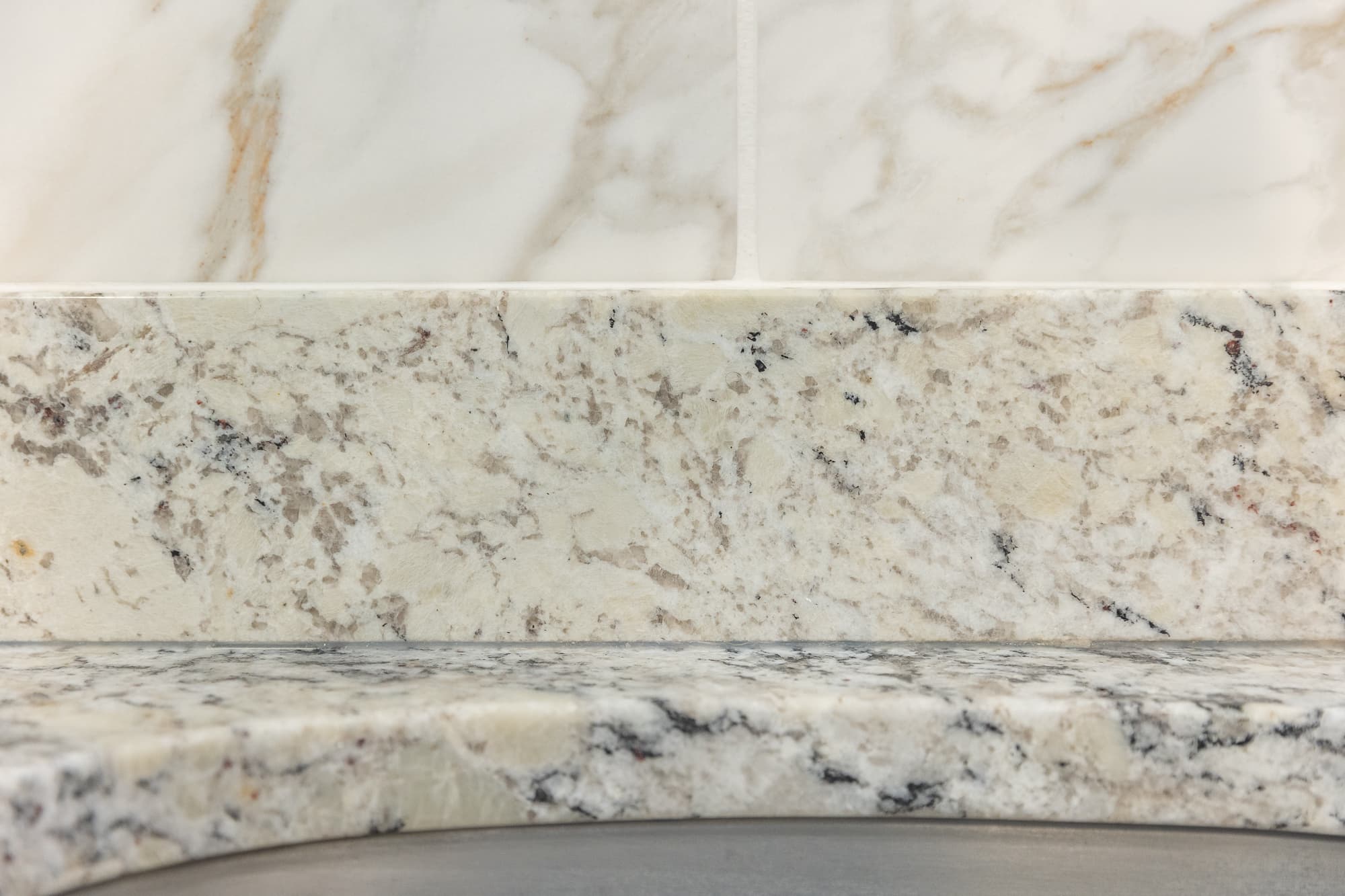
Close-up of a polished speckled granite countertop edge
Buying GuidesNovember 17, 20269 min read

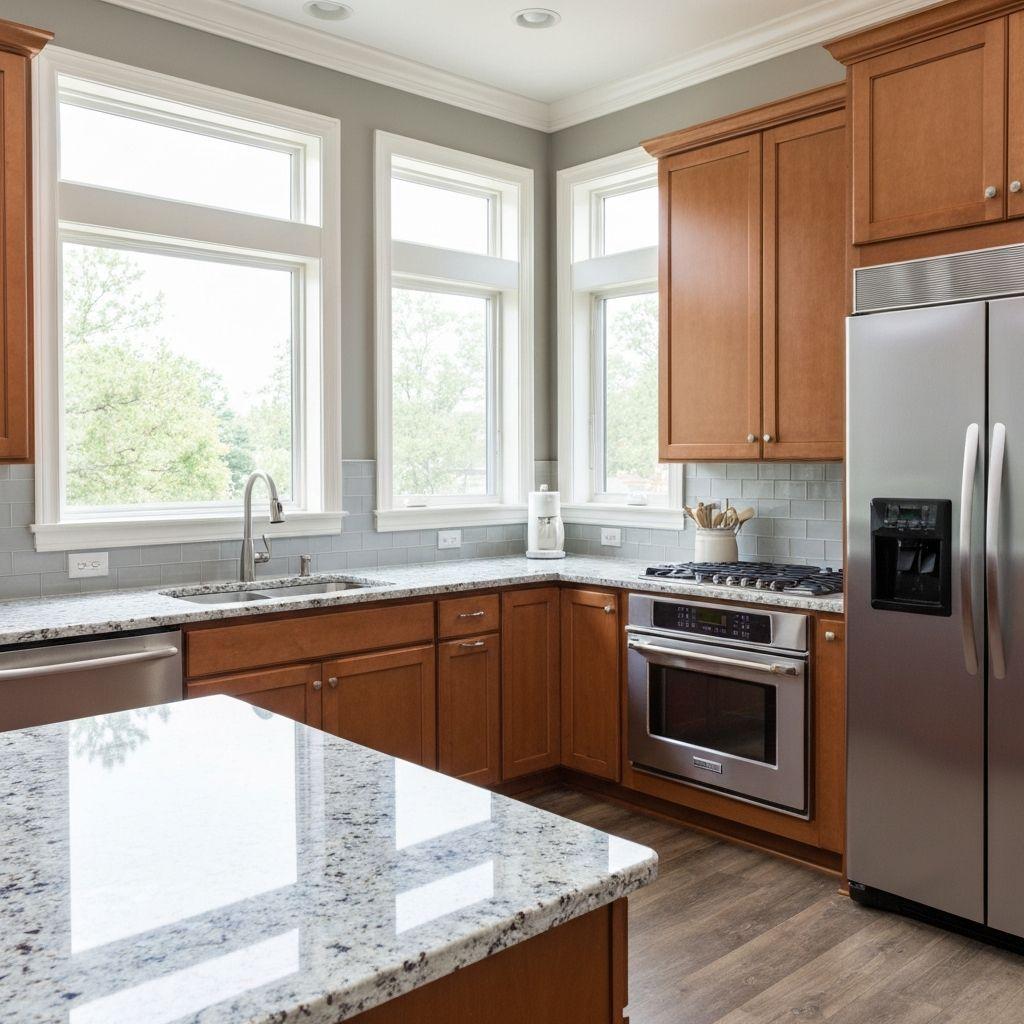
2cm vs 3cm Countertops: How to Choose Thickness

Countertop thickness is a construction choice. A 3cm slab (about 1 3/16 inches) is a common full-thickness option that can often sit on the cabinets with a simple edge. A 2cm slab (about 3/4 inch) is thinner and usually needs a clearer support and edge plan. United Granite LLC can show both options in the Durham showroom. Choose the thickness with the actual stone in front of you, not from a chip alone.

Read Article
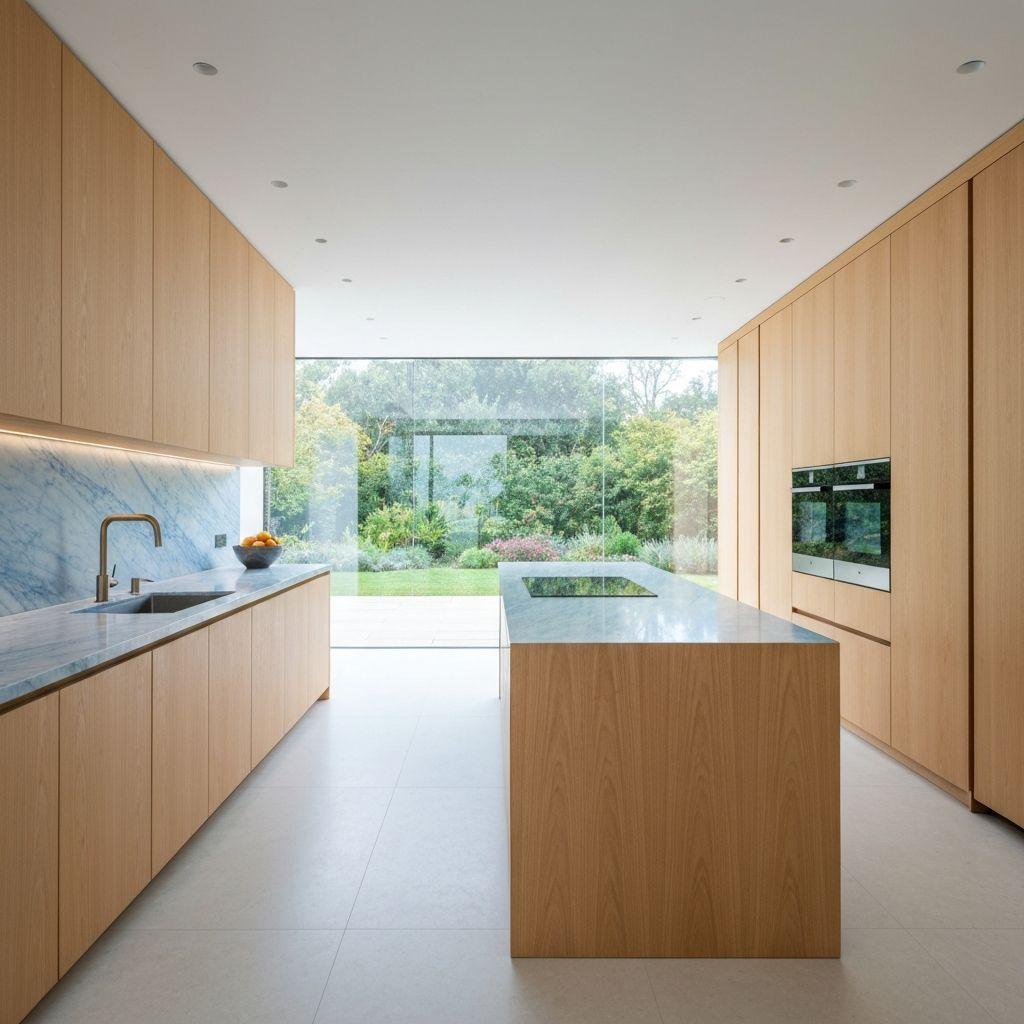
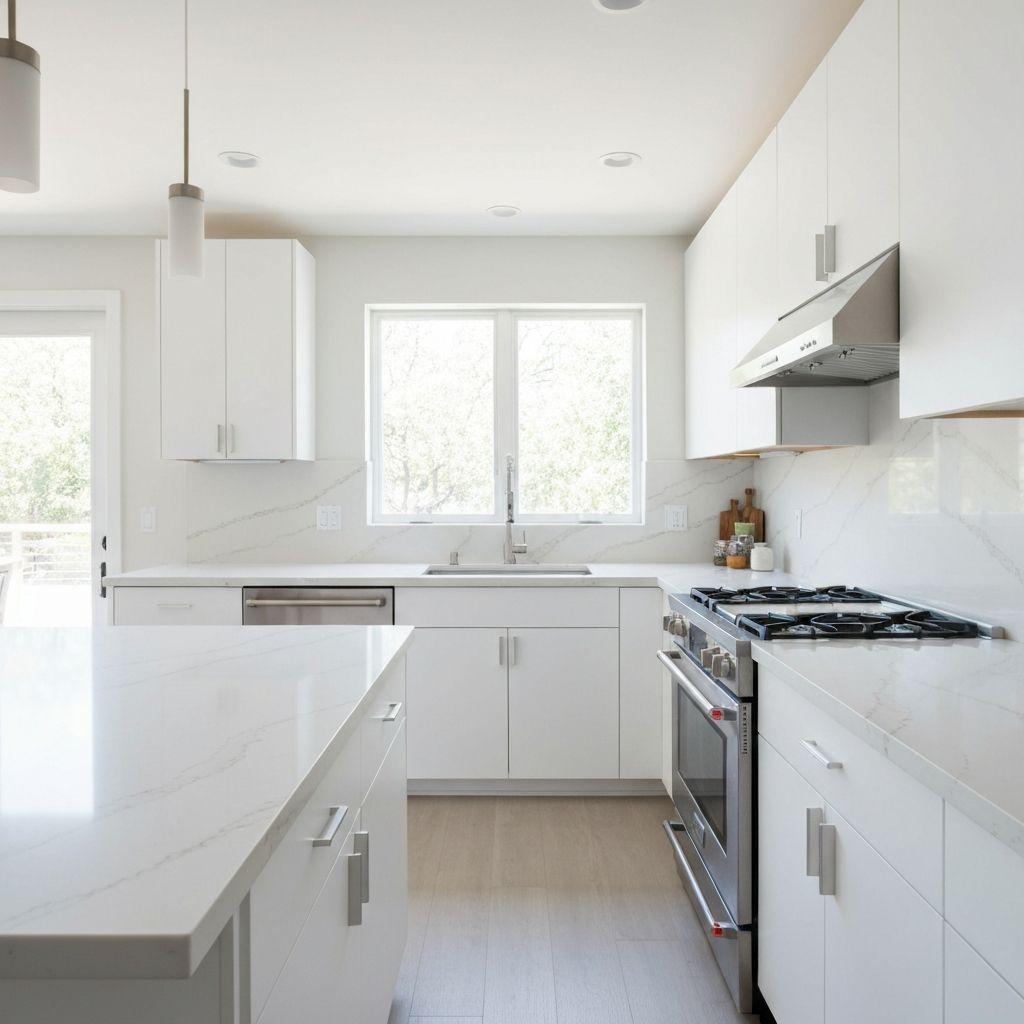
Kitchen with light wood cabinets and a pale stone countertop
Buying GuidesNovember 17, 202610 min read

Countertop Permits in Durham and Raleigh, NC

A like-for-like countertop replacement in a Durham or Raleigh single-family home can fall under North Carolina's permit exemption for work that costs $40,000 or less, if the job does not involve the exceptions in G.S. 160D-1110. Moving a sink, changing electrical wiring, or altering a load-bearing structure can still require a permit. Confirm the scope with the office that has jurisdiction over your address before you start.

Read Article
Hot skillet resting on a wooden trivet on a white quartz countertop beside a cooktop.
Buying GuidesNovember 17, 20265 min read

Can You Put Hot Pans on Quartz? What the Makers Say

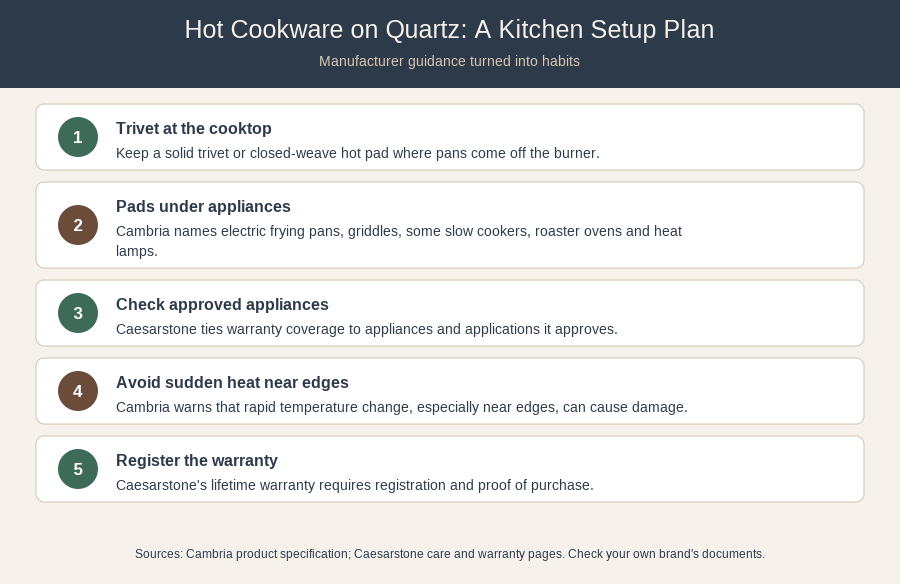
If you are choosing quartz for a Durham or Raleigh kitchen, plan on a trivet or hot pad under hot pans. Cambria says its quartz may not withstand the direct transfer of heat from pots and pans and always recommends a closed-weave hot pad or a solid trivet. Caesarstone's care page says to always place hot cookware on trivets and hot pads. Hot countertop appliances need the same care, and warranty terms can depend on following that guidance.

Read Article
Kitchen wall with stone running from the countertop up to the upper cabinets, next to a short 4-inch stone splash for comparison.
Buying GuidesNovember 17, 20266 min read

Full-Height Stone Backsplash vs 4-Inch: What Changes?

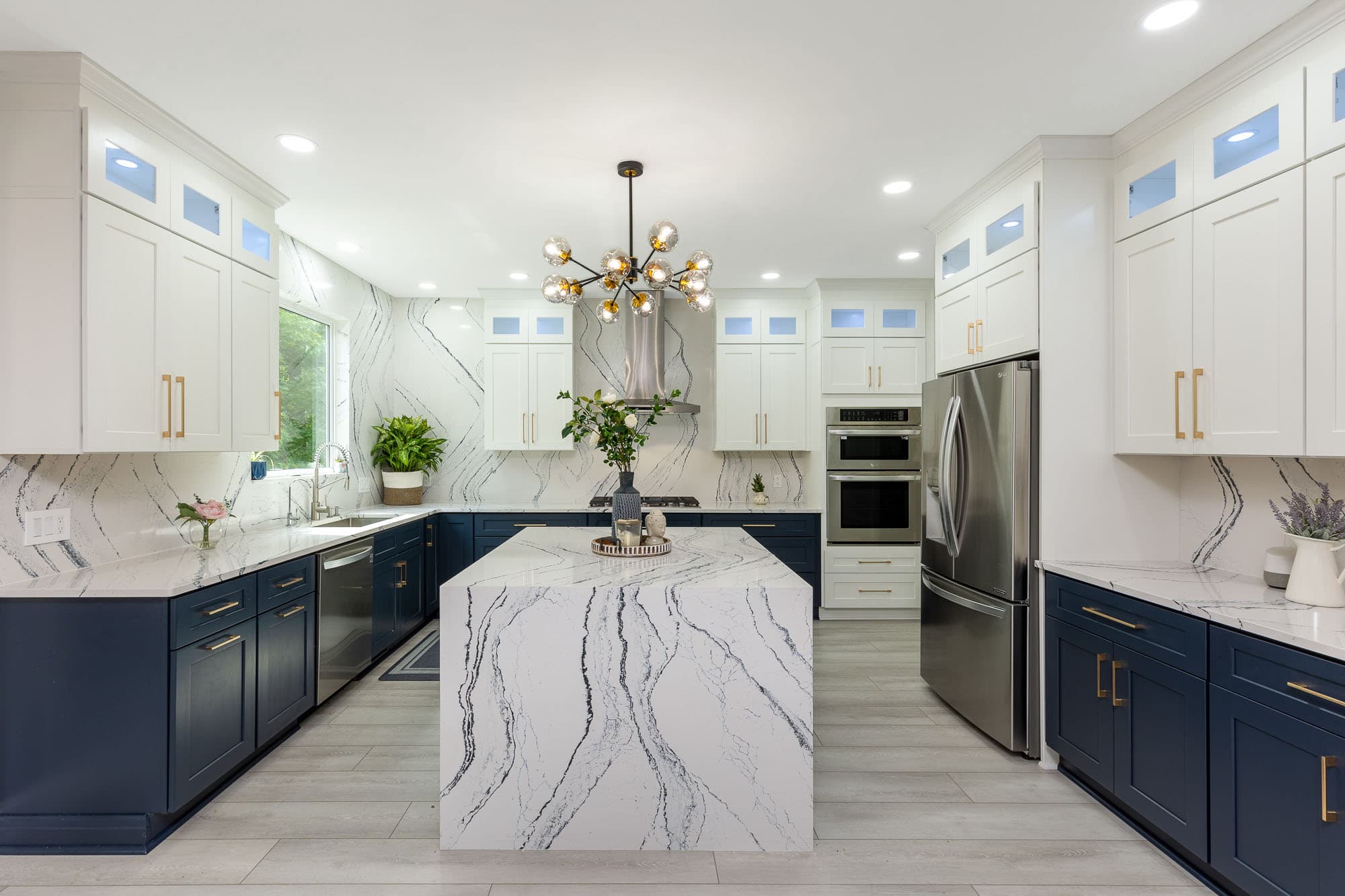
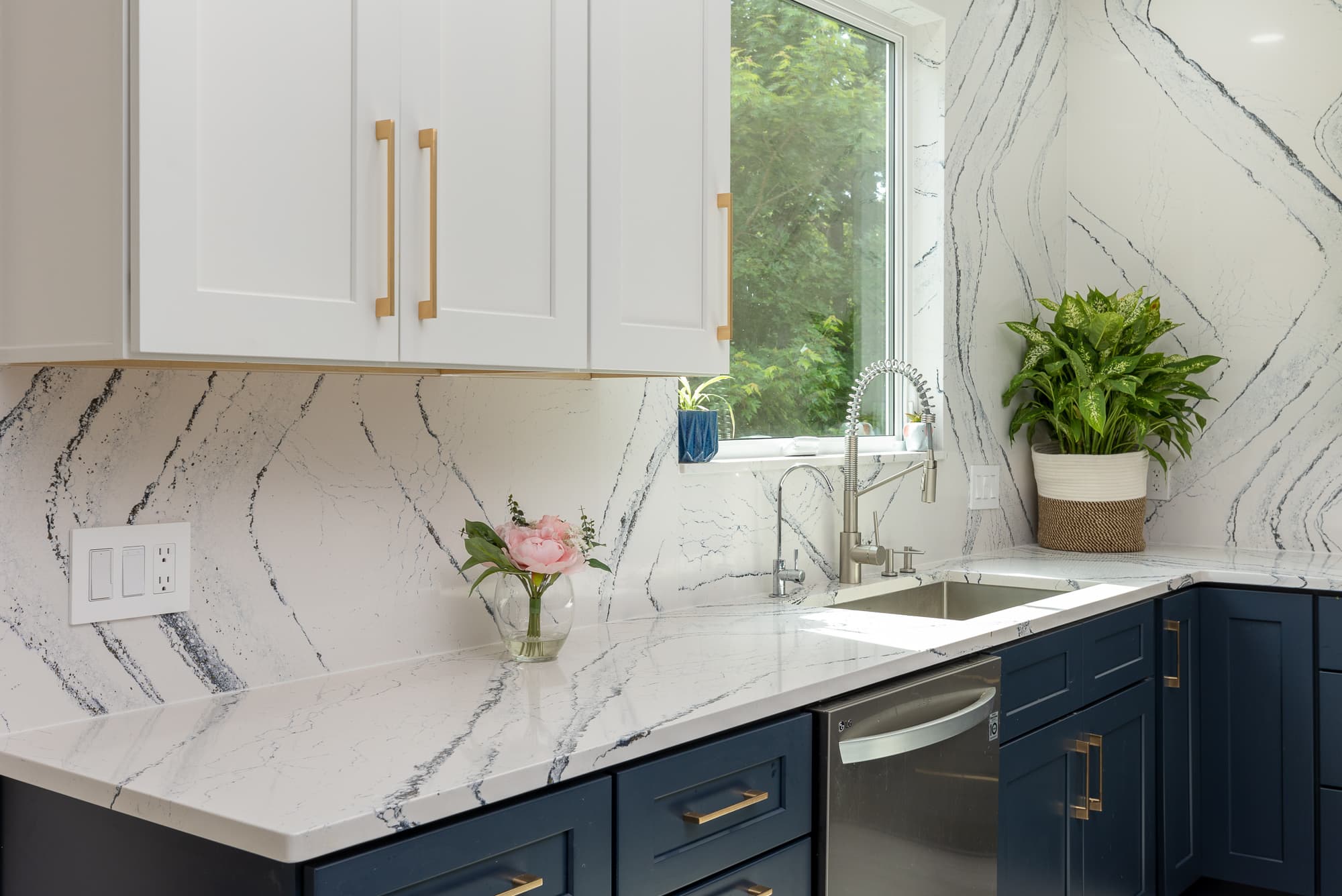
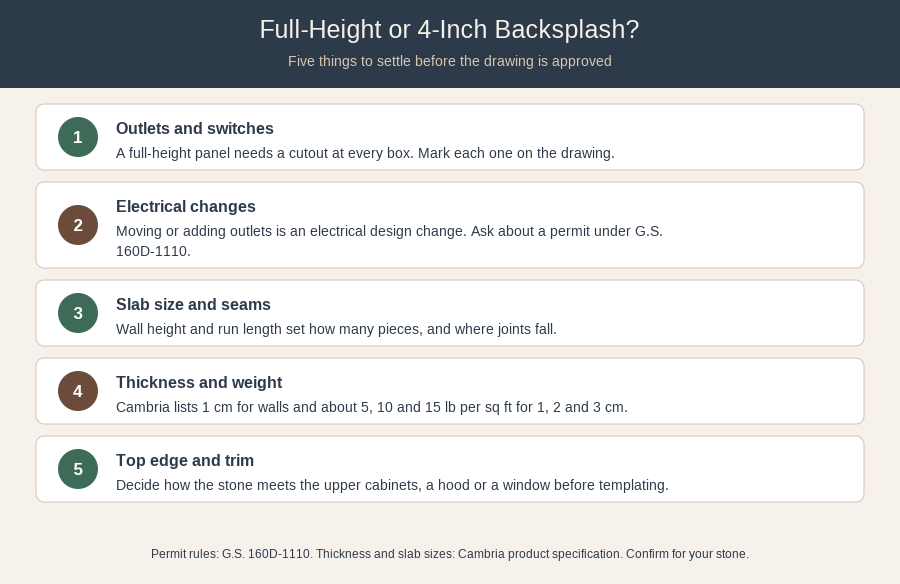
A full-height stone backsplash covers the wall from the countertop to the upper cabinets or ceiling, while a 4-inch splash is a short strip along the back edge. The full-height option looks continuous and is easy to wipe, but every outlet needs a cutout, the wall may need more pieces and seams, and moving outlets is an electrical change that can need a permit in North Carolina. Settle those details before you approve the countertop drawing.

Read Article
Kitchen island with a stone countertop overhang above bar stools, supported by hidden steel brackets.
Buying GuidesNovember 17, 20266 min read

Countertop Overhang Support: When Do You Need Brackets?

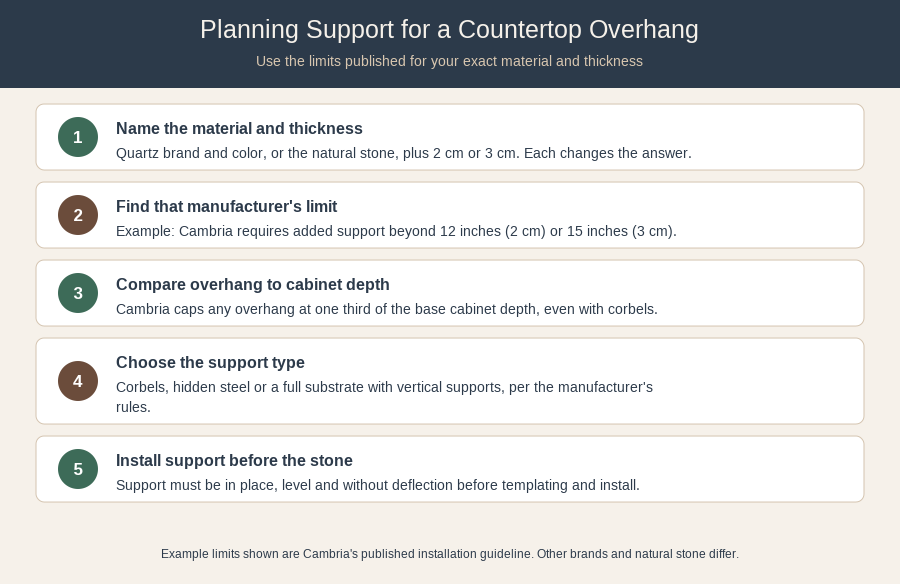
In a Durham or Raleigh kitchen, a granite or quartz countertop overhang needs added support when it goes past the limit published for that exact material and thickness. There is no single number for every stone. Cambria, for example, requires added structural support for overhangs beyond 12 inches on 2 cm material and 15 inches on 3 cm material, and caps any overhang at one third of the base cabinet depth. Plan the support with your fabricator before templating.

Read Article
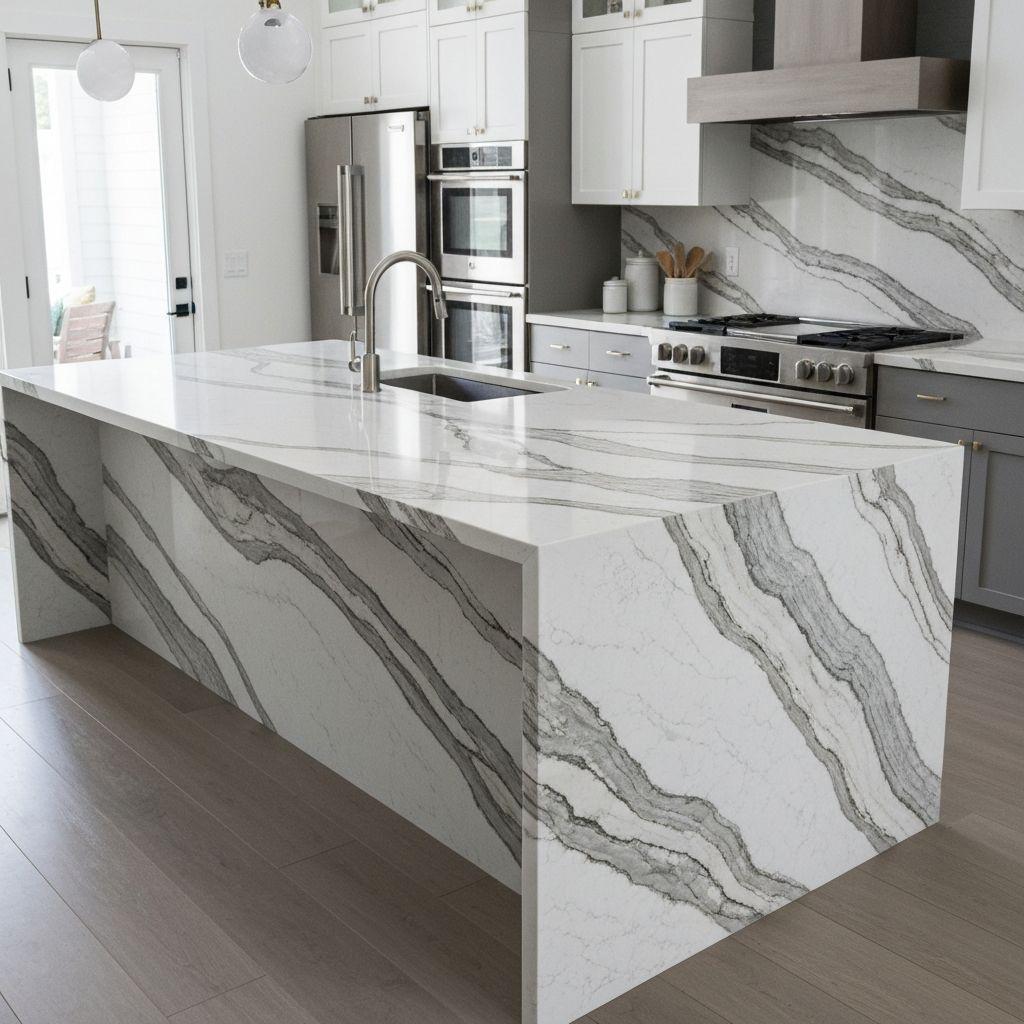
Kitchen with natural stone countertops showing a well-maintained installation
ServicesOctober 2, 202622 min read

Countertop Repair vs. Replacement: How to Know Which One You Need

A hairline crack by the sink. A chip on the island corner. A seam that finally gives up after ten good years. Before you assume the worst — or pay for a repair that was never going to hold — here's the complete, material-by-material guide to deciding between fixing what you have and starting over.

Read Article